
Lab-Grown vs Natural Diamonds: What You Need to Know
1. Introduction
Diamonds have long been a symbol of luxury, love, and timeless beauty. Today, buyers have more choices than ever, with lab-grown diamonds emerging as a modern alternative to natural diamonds. Understanding the differences between the two can help you make an informed and confident decision.
2. What Are Natural Diamonds
Natural diamonds are formed deep within the earth under intense heat and pressure over billions of years. They are mined from the earth through extensive extraction processes and have historically been associated with rarity and tradition.
3. What Are Lab-Grown Diamonds
Lab-grown diamonds are created in controlled environments using advanced technology that replicates the natural diamond formation process. They have the same chemical composition, physical structure, and optical brilliance as natural diamonds.
4. Key Differences Between Lab-Grown and Natural Diamonds
The primary difference lies in their origin. Natural diamonds are formed naturally over time, while lab-grown diamonds are created in a matter of weeks.
Other key differences include:
- Source: Earth-mined vs lab-created
- Time to form: Billions of years vs a few weeks
- Traceability: Often limited vs highly transparent
5. Appearance and Quality Comparison
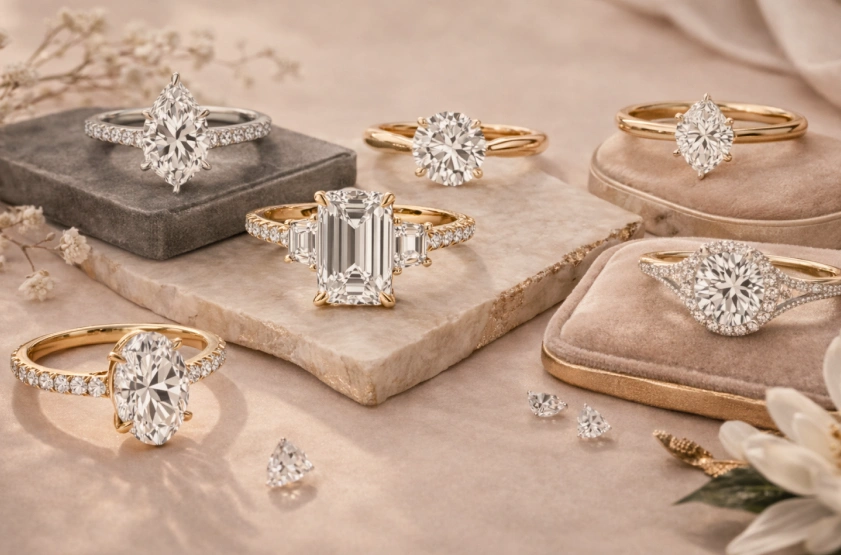
Visually, lab-grown and natural diamonds are virtually identical. Both exhibit the same sparkle, clarity, and brilliance. Even professional gemologists require specialized equipment to distinguish between them.
Both types are graded using the same standards based on the 4Cs: cut, color, clarity, and carat.
6. Price and Value
Lab-grown diamonds are typically more affordable than natural diamonds of similar size and quality. This allows buyers to choose larger or higher-quality stones within the same budget.
Natural diamonds, on the other hand, may carry a higher price due to their rarity and traditional perception of value.
7. Environmental and Ethical Impact
One of the biggest advantages of lab-grown diamonds is their reduced environmental impact. Traditional mining can involve significant land disruption and resource consumption.
Lab-grown diamonds are produced with fewer environmental effects and offer greater transparency in sourcing, making them a more ethical choice for many buyers.
8. Durability and Longevity
Both lab-grown and natural diamonds rank 10 on the Mohs scale of hardness, making them equally durable and suitable for everyday wear. There is no difference in strength or longevity between the two.
9. Which One Should You Choose
The choice between lab-grown and natural diamonds ultimately depends on personal preference.
- Choose lab-grown diamonds if you value sustainability, affordability, and modern innovation
- Choose natural diamonds if you prefer rarity and traditional significance
Both options offer exceptional beauty, and the right choice is the one that aligns with your values and style.
10. Conclusion
Lab-grown and natural diamonds each have their own unique appeal, but both deliver the brilliance and elegance that define fine jewelry. As the industry evolves, lab-grown diamonds are becoming an increasingly popular choice for those seeking a balance of luxury, value, and responsibility.